From the Driver’s Seat to the Studio: William Taylor’s Road Legends Story
This Driver Turned His Experience Into a Song and Brought Others Along for the Journey
Every professional driver has a story.
Some tell it through the miles they have traveled. Others tell it through the truck they have worked to own, the settlements they have earned, or the lessons they have learned during long nights on the highway.
William “Clutch Master” Taylor decided to tell his story differently.
He turned his experience into a song.
His music video, Legend on the Road, is not built around a polished recruiting speech or a list of promises. It is built around William’s own perspective as a professional driver—what he has experienced, what he has accomplished, and what he wants other drivers to understand before choosing their next opportunity.
The opening message establishes that immediately:
“This ain’t no recruiter talking. This is a driver talking.”
William is speaking as someone who knows the truck stops, inspections, long days, late nights, and pressure that come with working over the road. His message comes from behind the steering wheel, not from behind a desk.
But the song is about more than one driver’s success.
It is also about his family, his son, the drivers who trusted his recommendation, and the people who became part of his journey along the way.
One Year In and Still Moving Forward
When William created the song, he had been with Road Legends for approximately one year.
Instead of simply saying that the opportunity was working for him, he used the song to explain what that year represented: consistency, continued progress, and the confidence to speak publicly about his experience.
He describes himself as still being there, still smiling, and still earning after his first year. He also references weekly settlements of approximately $3,900 and $4,100 as examples of the results he had recently experienced.
Those numbers are part of the story, but they are not the entire story.
William’s message is not that every week will look identical or that trucking comes without challenges. His point is that he is sharing something he has personally experienced.
That distinction matters.
Professional drivers hear plenty of claims about income, equipment, freight, and ownership opportunities. William wanted his message to come from the perspective of someone currently doing the work—someone experiencing the same traffic, inspections, delays, truck stops, and time away from home as the drivers watching the video.
For him, credibility comes from living the experience.

Building More Than a Weekly Settlement
Earning potential is an important part of any trucking opportunity, but William’s song repeatedly looks beyond a single paycheck.
One of its central themes is ownership.
The ability to build toward owning a truck can change how a driver views the work. The miles are no longer only about finishing the next load. They can become part of a larger plan involving independence, financial progress, and a business the driver can eventually call their own.
That is why William connects making money with building a future.
Road Legends’ Lease Purchase Program is structured for drivers who want a potential path toward truck ownership without a traditional down payment, balloon payment, or credit check. Drivers must still approach the opportunity with discipline, consistency, expense management, and a long-term business mindset.
The program also includes a walk-away lease, giving drivers greater flexibility if the opportunity no longer aligns with their goals or circumstances. Rather than being locked into the entire lease term, drivers have the option to return the truck and step away from the agreement according to the program’s terms.
Ownership is not created by a slogan. It is built through decisions made load after load and week after week.
For drivers researching a similar path, the Road Legends Lease Purchase Program guide provides a detailed breakdown of the walk-away structure, the current pay-per-mile program, fuel support, equipment, and other important aspects of the opportunity.
Success Should Also Create a Life Outside the Truck
One of the most meaningful moments in William’s story has nothing to do with a rate confirmation or a settlement.
He talks about being able to take his wife on two cruises within one year.
That detail changes the meaning of the song.
It shows that his goal is not simply to earn more while spending every available day on the road. His goal is to use the work to create experiences, freedom, and memories with the people who matter to him.
William describes a life that includes travel, beautiful places, and time with his wife. He connects the discipline of working hard with the ability to enjoy what that work makes possible.
That perspective is easy to overlook in trucking.
Drivers often measure progress through miles, gross revenue, net income, fuel expenses, or equipment payments. Those measurements are important, especially when operating a truck as a business. But the purpose behind those numbers is personal.
Drivers who want a closer look at what remains after operating costs are deducted from gross revenue can explore how fuel and operating expenses affect real net pay.
The Road Legends “Hidden Paycheck” guide explains how fuel costs, maintenance planning, equipment efficiency, and downtime can influence what a driver ultimately keeps—not only what appears as gross earnings.
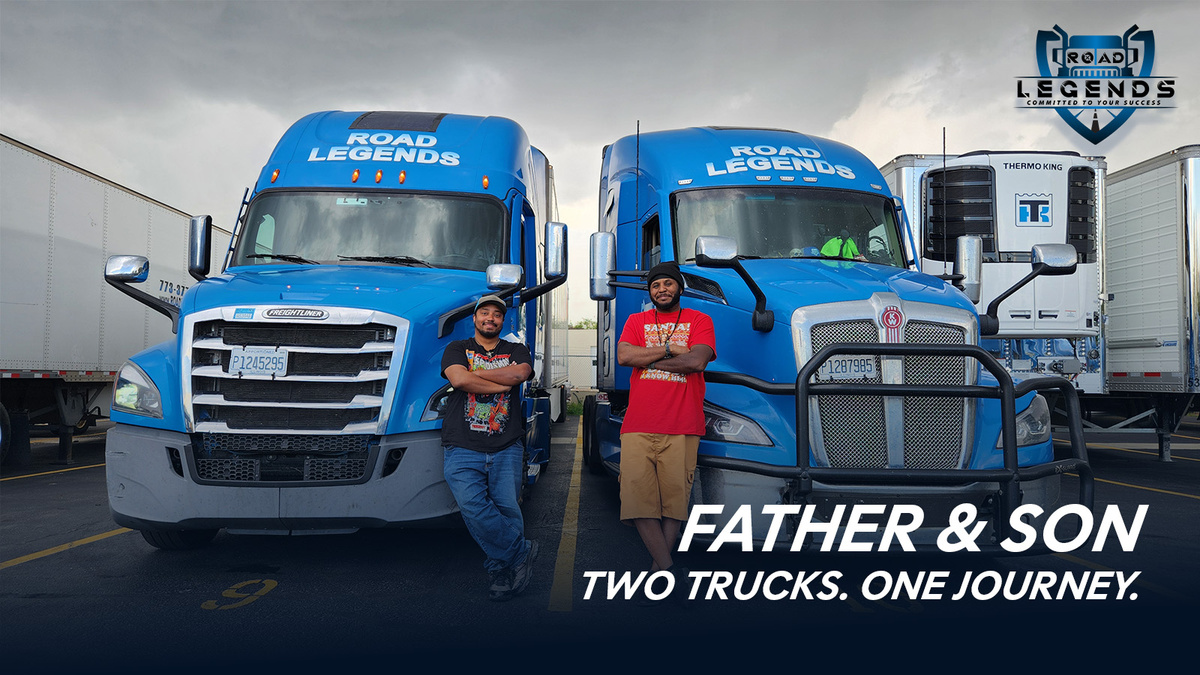
A Father-and-Son Journey
William’s son, Alex, is also part of the Road Legends story.
The two have been featured together as a father-and-son pair, standing beside their trucks and representing two individual careers connected by one family journey.
That relationship gives William’s message additional meaning.
Recommending a trucking company to another driver is one thing. Encouraging your own son to become part of the same journey carries a different level of responsibility.
A father does not just want his son to find another driving position. He wants him to find a place where he can work, develop, earn, and build something for himself.
William’s experience did not stay limited to his truck. It became something he could share with Alex.
Their story represents what can happen when experience becomes an example. One generation learns the realities of the road, finds an opportunity that works, and then helps the next generation begin building its own path.
They may drive different trucks and develop their own individual careers, but they are connected by the same larger journey.

William Taylor and his son, Alex Diaz, are building their individual careers while sharing the Road Legends journey as father and son.
An Experience Strong Enough to Recommend
Drivers are careful about recommendations and for good reason.
A driver’s name carries weight.
When someone recommends a carrier to a friend, family member, or fellow driver, that person is placing their reputation behind the recommendation. They may be asked about the freight, communication, equipment, settlements, home time, maintenance, and whether the experience matches what was originally presented.
William understands that responsibility.
In the song, he explains that several drivers came to Road Legends because of his word and his personal experience—not simply because they watched a commercial.
He mentions his son and several other drivers who joined after hearing about his experience. Together, their stories show how William’s experience became a point of trust for other drivers.
That is one of the strongest parts of his story.
He did not keep the opportunity to himself.
He talked about what he was experiencing, answered questions, showed the results he was seeing, and allowed other drivers to make their own decisions.
Those drivers are not background characters in William’s music video. They are part of the journey.
The Drivers Who Became Part of the Story
Each driver who joined after speaking with William brought a different background, goal, and reason for considering Road Legends.
Some knew William personally, while others discovered his content online.
What connected them was not a generic advertisement. It was access to someone who could speak openly about the daily reality of the work.
William could explain what happens after orientation.
He could talk about working with dispatch, managing the week, handling the responsibility of the truck, and staying focused on long-term goals.
He could also explain that no trucking company or driving position is perfect.
That honesty is important because an effective referral is not about convincing every driver to join. It is about helping the right driver understand the opportunity clearly enough to determine whether it fits their goals and work style.
The drivers William referred still had to create their own results. They had to run consistently, communicate, manage their time, and take responsibility for their decisions.
William may have helped open the door, but each driver had to travel the road for themselves.
That is what makes their progress worth recognizing.
They are not successful only because they were referred by William. They are successful because they took the opportunity seriously and became strong members of the team in their own right.
The Difference Between a Referral and a Recruiting Pitch
A recruiter can explain a program.
A driver can explain what it feels like to live inside that program.
Both perspectives have value, but they answer different questions.
Recruiting can explain qualifications, the pay structure, available divisions, equipment, orientation, and application steps.
A driver can describe how communication feels during a difficult week, whether the truck stays moving, what the settlements look like, and whether the original expectations match the day-to-day experience.
William’s song brings that second perspective forward.
He is not trying to sound like a corporate spokesperson. He speaks with his own voice, rhythm, humor, confidence, and personality.
That is why the music video feels different from a traditional testimonial.
It sounds like William because it is William.
The Road Behind the Music
At its core, Legend on the Road is a song about credibility.
It is William saying that he is not repeating someone else’s script. He is describing what he has personally seen from the driver’s seat.
It is about working toward ownership.
It is about earning, but also about using that income to enjoy life with his wife.
It is about a father and son building their careers.
It is about his son and the other drivers who trusted William enough to investigate the opportunity for themselves.
It is about trust, shared progress, and bringing other drivers along for the journey.
Most importantly, it is about one driver using his voice to tell a story that became bigger than himself.
More Than a Song
William Taylor did not simply create a trucking song.
He created a record of a specific chapter in his life.
The music captures where he was after his first year, what he had accomplished, what he was still working toward, and who had joined him during the journey.
Years from now, the trucks may be different. The routes may change. More drivers may become part of the story. William and Alex will each reach new milestones.
But the song will continue to represent this moment: a driver behind the wheel, proud of his progress, building toward ownership, enjoying life with his family, and bringing others along for the ride.
That is what makes Legend on the Road more than a music video.
It is William Taylor’s story—in his own words, in his own style, and from his own experience.
.png)
Watch the Full Music Video
From the Driver’s Seat to the Studio: William Taylor’s Road Legends Story
William “Clutch Master” Taylor turned his trucking experience into a song about ownership, family, and the drivers who joined his journey.
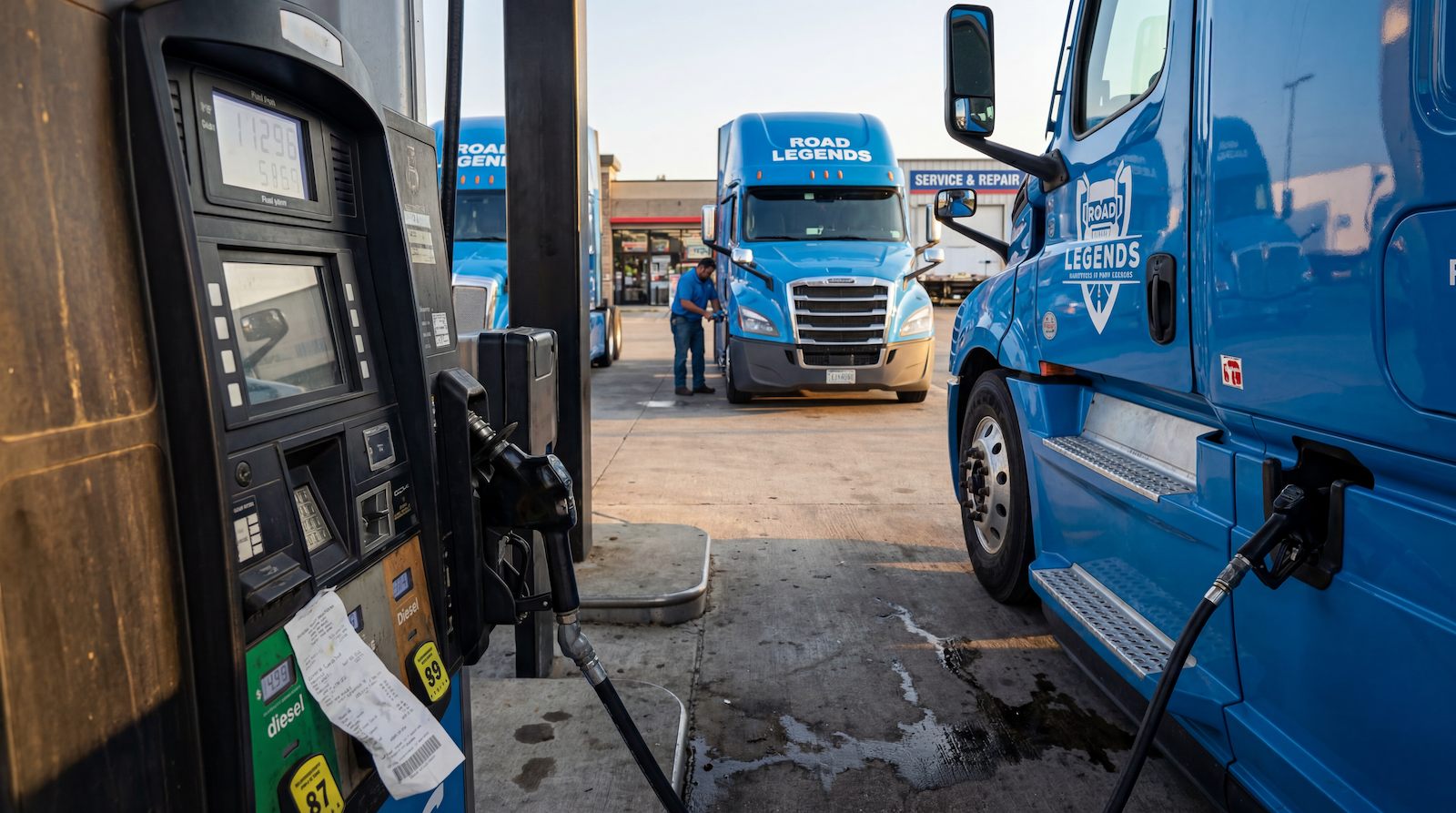
The “Hidden” Paycheck: How Fuel & Maintenance Support Shape Real Net Pay
Learn how fuel costs, maintenance planning, and equipment efficiency impact real net pay in trucking and why the “hidden paycheck” matters in lease purchase programs.
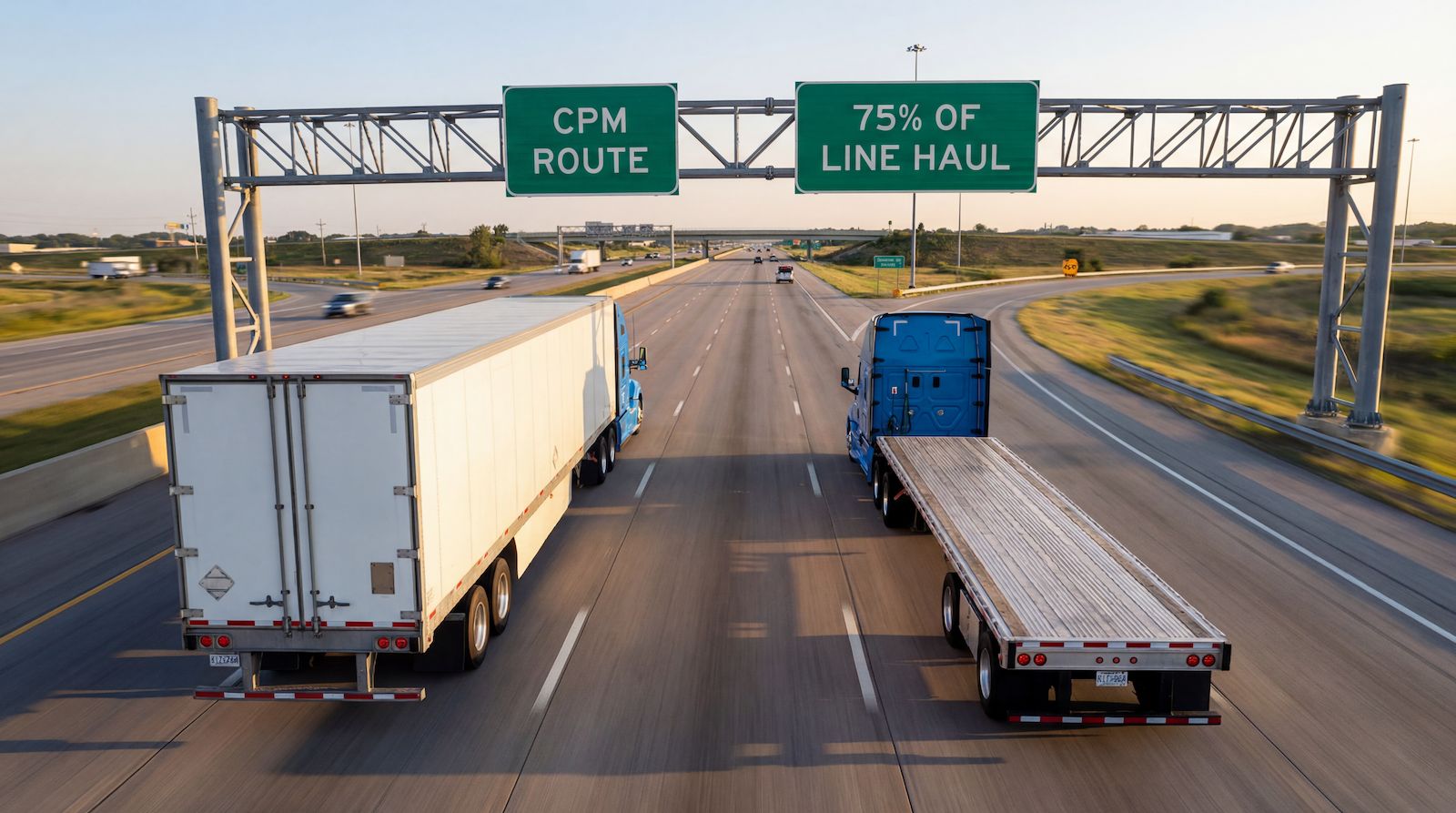
Percentage vs. CPM: How to Choose the Right Pay Plan at Road Legends
Learn the difference between percentage pay and CPM in trucking. Understand break-even points, income stability, and how to choose the right pay plan for your driving style.